Teide National Park Viewpoints, Wildlife, and Eco-Tax Rules
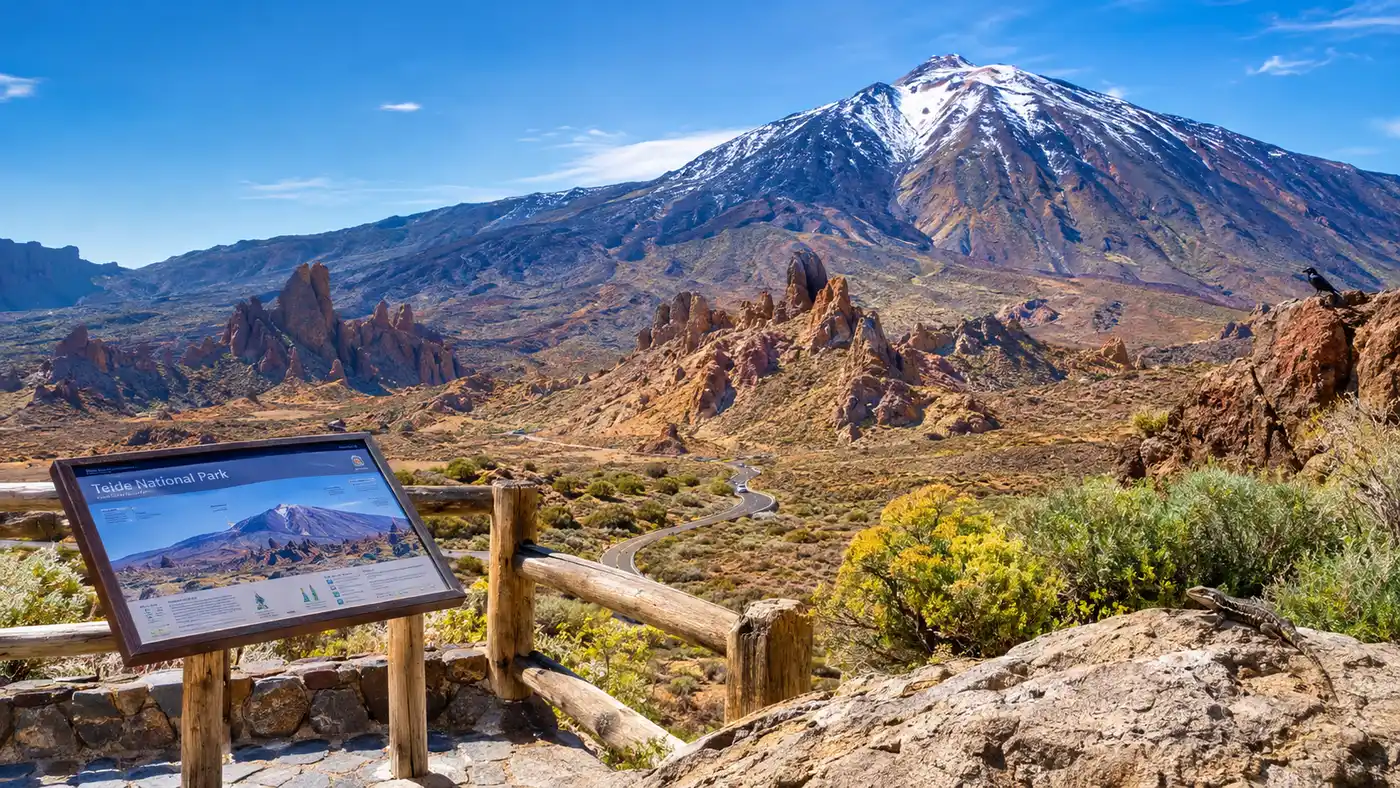
The road climbs through damp laurel canopy and thick pine before spitting you out onto an arid plateau that looks like Mars. You smell sulfur and scorched stone immediately. Finding the most dramatic teide national park viewpoints is usually the first thing people want to do when they drive across the crater rim, and for good reason. Standing at 2,200 meters above sea level with volcanic rubble stretching for miles in every direction resets your perspective fast.
Things are changing up here, though. If you visited five years ago, you could wander across roadside scree with little friction, but heavy traffic and bad behavior have pushed local authorities to draw hard lines. Island officials are bringing in strict environmental fees and visitor quotas to stop the degradation. Between scoping out volcanic ridges, spotting sunbathing lizards, and navigating the new red tape, planning a trip up the volcano takes more thought than it used to.
Book your teide national park experience:
Top Miradors and Teide National Park Viewpoints
Most rental cars pull straight into the lot for the Roques de García. It gets swamped by 10:30 in the morning. La Ruleta vista point sits right on the edge of this formation, staring directly at Roque Cinchado, which is that famous top-heavy finger of rock featured on old thousand-peseta banknotes. Look past the finger and you get an unobstructed teide national park view, with the cone rising straight behind the sandstone towers. Walk 200 meters past the paved platform along the trail. The crowds thin out after three minutes of walking because most bus tours give people just twenty minutes to take photos and use the restroom.
Further west along the TF-38 road, Mirador de las Narices del Teide offers a completely different texture. The ground here is pitch black, formed by the 1798 eruption when vents on the western flank blew open like nostrils. You stand on deep charcoal cinders looking up at the breach where liquid basalt poured down toward Pico Viejo. Late afternoon light turns the volcanic dust into deep shades of copper and violet. It is windy, cold, and often empty compared to the central caldera stops.
Mirador de la Ruleta and the surrounding rocks can feel overwhelming when large coaches idle their engines in the bays. If you hate crowds, Mirador del Llano de Ucanca provides a stark alternative just down the asphalt. It overlooks a dry sedimentary lake bed flanked by red vertical spires. Salvador Dalí would have felt right at home here. The floor is flat, golden, and barren, broken only by shifting shadows as clouds race over the caldera rim.
Pro tip: Skip the main Roques overlook at midday and head to Mirador de las Narices del Teide an hour before sunset. The tour buses have all descended to the southern beach resorts by then, and the light across the 1798 lava field is unreal.
If you take the cable car up toward the peak, you will reach the Mirador del Teide trails at the top station. Walking there requires lungs that can handle thin air, but the vantage spans the entire northern coast, and on clear mornings you can spot Gran Canaria, La Gomera, and La Palma floating on a sea of white stratocumulus clouds.
| Viewpoint | Elevation | Parking Capacity | Best Time to Visit | Standout Feature |
|---|---|---|---|---|
| Mirador de la Ruleta | 2,150 m | Around 45 cars | Before 09:00 | Roque Cinchado and main cone backdrop |
| Mirador de las Narices del Teide | 2,040 m | About 15 cars | 17:30 to dusk | Black volcanic ash from the 1798 eruption |
| Llano de Ucanca | 2,145 m | Roughly 12 cars | Mid-afternoon | Desert expanse resembling a dry lake basin |
| Mirador de Chío | 2,075 m | 20 cars | Sunset | Views stretching toward La Gomera |
New Eco-Tax Rules and Environmental Controls
The Canarian government has reached its breaking point with traffic jams and habitat destruction. Over four million people visit this caldera each year, and the sheer volume has left scars. You can see tire tracks cutting through delicate pumice fields, trash wedged into basalt cracks, and tourists wandering off paths despite signs warning them to stay back. Teide National Park suffers environmental crisis due to mass tourism, and the regional administration is stepping in with legal hammers.
Tenerife is cracking down on overtourism in Teide National Park by shifting from open access toward a controlled, fee-based model. Under the updated conservation plans, Tenerife introduces eco tax for Mount Teide national park visitors to help fund preservation, trail repair, and round-the-clock ranger patrols. This teide national park eco-tax targets non-resident visitors, particularly those hiking sensitive alpine corridors or driving private vehicles through the high-density sectors.
There has been plenty of debate on the ground. Tour operators worried about administrative headaches, while environmentalists argued the measures arrived ten years too late. Teide National Park introducing eco-tax for hikers aims to choke off unauthorized footpaths that chew up rare flora like the red tajinaste. Tourists criticized for damaging Teide National Park in Tenerife will now face on-the-spot fines rather than polite warnings from exhausted staff.
Note: Flying a drone anywhere inside park boundaries is strictly illegal without commercial permits obtained months in advance. Park rangers issue fines starting around 600 euros for flying over the caldera or disturbing native wildlife.
What does this mean for your wallet right now? Historical access was completely free, but the incoming teide national park entry fee structure means hikers heading up alpine paths should expect modest daily charges. If you are sorting out your route and transport logistics, take a close look at our guide for driving up the mountain before you set off, as parking time limits are being phased in at key hubs.
- Payment structure: The teide national park green tax applies predominantly to non-residents, with revenue ring-fenced for conservation and ranger staffing.
- Permit enforcement: Peak access routes and popular trails now require linked reservations where identity documents match booking names.
- Off-trail wandering: Stepping outside rock borders or stone cairns can yield instant municipal penalties, especially near fragile volcanic cones.
- Shuttle mandates: Certain central parking areas will eventually transition to bus-only access during peak morning hours to slash carbon buildup in the caldera.
Wildlife and Animals in Teide National Park
At first glance, the caldera looks dead. The ground is dry, swept by brutal ultraviolet rays during the day, and temperatures plummet below freezing on winter nights. Life here is tough, sneaky, and mostly small. You will not find large mammals grazing on the scree. The animals in Teide National Park are specialists that learned to squeeze moisture out of morning dew and hide beneath basalt sheets when the sun gets savage.
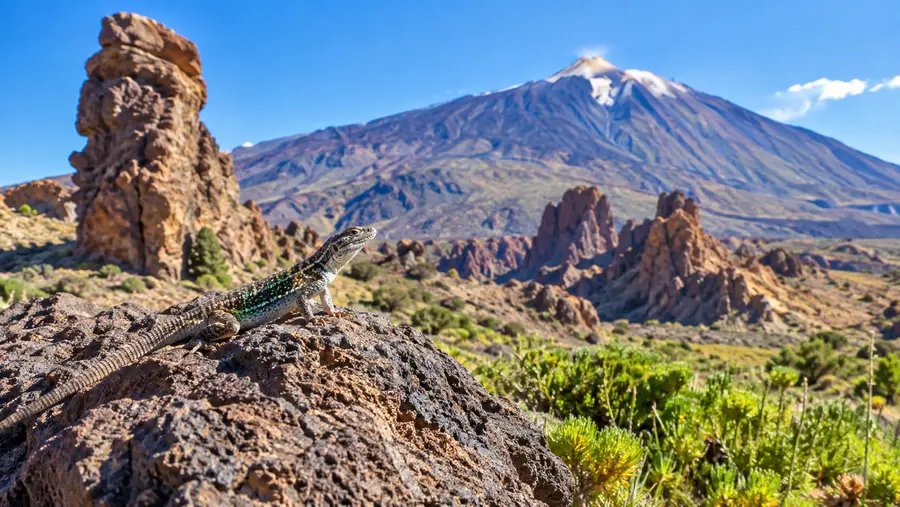
Reptiles own this terrain. Teide National Park endemic reptiles three species include the standout Tenerife lizard, the Delaland's gecko, and the Canary wall gecko. The Tenerife lizard is everywhere around Los Roques Teide National Park. Look at the male lizards basking on warm rocks; they have bright ultramarine patches on their flanks that flare vividly during spring breeding season. They are remarkably bold and will run right up to your boots hoping for an apple core, though feeding them is illegal.
Don't expect lush streams or a Teide National Park waterfall up here. Rain drains straight through porous volcanic ash into subterranean aquifers, leaving the surface bone-dry. The lower skirts of the park tell a different story where the Teide National Park pine forest traps moisture drifting in from the trade winds. In this pine zone, you might catch a flash of bright slate-blue feathers. That is the blue chaffinch, a chunky finch that feeds almost exclusively on the seeds of the Canary Island pine. Seeing one among the long orange needles of the forest floor is worth pulling over for.
Rabbits and feral cats also roam the park, introduced centuries ago by European settlers. The rabbits nibble on endangered shrubs like the Teide broom, creating headaches for park botanists who have to build wire cages around young plants to keep them from being eaten down to their roots.
Book your teide national park experience:
Visitor Centers, Opening Hours, and Closures
The park itself never really sleeps. Because public highways - the TF-21, TF-24, and TF-38 - cross the crater floor, there are no physical gates barring entry across the plain. The general Teide National Park opening hours apply to facilities, staffed exhibits, and ranger kiosks rather than the tarmac roads. You can drive through at midnight to watch shooting stars without paying a Teide National Park entrance fee, at least for now.
To get your bearings, stop at the El Portillo Teide National Park visitor center near the eastern entrance. It houses a small museum, an interpretive garden showing native high-altitude plants, and rangers who can answer real questions about trail conditions. Down in La Orotava, the Telesforo Bravo center serves as the Mount Teide National Park office, which handles scientific permits and broader administrative matters for researchers.
People often ask: is Teide National Park open today? The answer depends heavily on winter weather. Teide National Park closure reasons usually involve black ice, high winds, or sudden snowfalls. When ice coats the winding mountain passes, the Guardia Civil shuts the access roads at the forest line, stranding anyone who tried to push through in a rental hatchback without chains. High winds above 70 km/h will also shut down the cable car instantly, even if the skies look completely clear from the beaches below.
- El Portillo Visitor Center: Open daily from 09:00 to 16:15, providing botanical trails and live trail updates.
- Cañada Blanca Visitor Center: Located next to the Parador hotel, focusing on human history, Guanche heritage, and geology.
- Road access: Open 24 hours unless closed by police due to snow, rockfalls, or wildfire threats.
- Entrance cost: While road transits carry no general Teide National Park entry fee, specific sights and guided exhibits may charge small operational tickets.
Visiting Teide with Kids or During Pregnancy
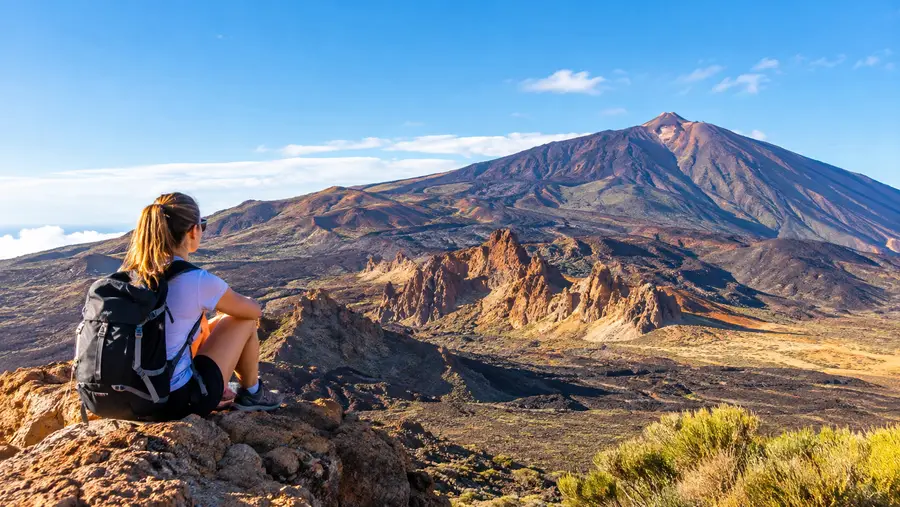
Taking kids up into the volcano is great fun if you prepare for the elements. The landscape feels like a giant outdoor adventure film set, full of jagged lava bombs, pumice pits, and towering rock spires. However, altitude sickness can hit young children unexpectedly. The crater floor sits higher than 2,000 meters. Kids burn through energy much faster up here, so pack double the water and high-calorie snacks you think you will need.
If you are pregnant, Teide National Park requires a bit of caution. Most doctors advise against rapid ascents to high elevations, especially via the cable car, which hoists you from 2,356 meters to 3,555 meters in just eight minutes. That sudden drop in atmospheric pressure can trigger dizziness, nausea, and shortness of breath. Staying down on the caldera floor, strolling flat sections around Roques de García, is far safer and allows you to enjoy the UNESCO Teide National Park scenery without stressing your cardiovascular system.
The UNESCO designation arrived in 2007, recognizing the park as an exceptional geological canvas displaying volcanic processes on an enormous scale. Keeping that status means educating family members to leave things alone. Kids love picking up interesting rocks, but taking a chunk of obsidian or pumice home as a souvenir damages the landscape and carries heavy fines if airport security spots it in your luggage.
Planning to hike with your family? Check our detailed guide covering the best hiking trails across the caldera to find routes that match your group's fitness level instead of getting stuck on steep scree slopes in the midday heat.
- Hydration: High-altitude air is bone-dry; drink water constantly even if you do not feel sweaty.
- Sun protection: UV radiation at 2,000 meters burns skin twice as fast as on the coast; use mineral sunscreen and wide-brim hats.
- Layering: Temperatures can swing by 20 degrees Celsius between the sunny midday flats and shaded windward paths.
- Footwear: Volcanic stone is sharp and tears soft running shoes to shreds; put sturdy, closed-toe footwear on children.
Frequently Asked Questions about teide national park viewpoints
Do I need to pay an entrance fee to drive through Teide National Park?
No, there is currently no general entrance fee simply to drive across the park roads or park briefly at standard roadside miradors. However, the island is introducing new eco-tax rules and trail fees aimed at hikers and peak visitors to manage high tourist numbers.
Can I fly my camera drone at the viewpoints?
No. Drone flights are strictly forbidden throughout Teide National Park to protect birds, prevent noise pollution, and maintain air safety. Fines for breaking this rule are enforced aggressively by environmental rangers.
Are there waterfalls inside Teide National Park?
No. The caldera is a high-altitude semi-desert with exceptionally porous volcanic soil. Rain and snowmelt sink directly into underground rock formations, meaning there are no permanent rivers, streams, or waterfalls in the park.
Which viewpoint offers the best sunset view?
Mirador de las Narices del Teide and Mirador de Chío on the western side of the park offer the best sunset views. From there, you look out over dark volcanic fields toward the Atlantic Ocean and the silhouette of La Gomera.
Quick Reference
- Caldera floor elevation sits roughly at 2,100 to 2,300 meters.
- Main visitor centers operate from 09:00 to 16:15 daily.
- Drones are strictly prohibited across the entire park.
- Incoming eco-taxes target alpine trail users and non-resident drivers.
- Roque Cinchado is located at Mirador de la Ruleta.
Book your teide national park experience:
The Bottom Line
Teide is changing, but the wild, battered beauty of the volcano remains untouched if you know where to look. Head up early before the tour buses begin climbing the TF-21, park respectfully, and give the lizards their space. Stay on the trails, pay your eco-tax fees without complaint, and pack warm layers for the wind. The mountain rewards travelers who take their time, look closely at the rocks, and treat this high-altitude desert with the respect it deserves.
Read more about teide national park.