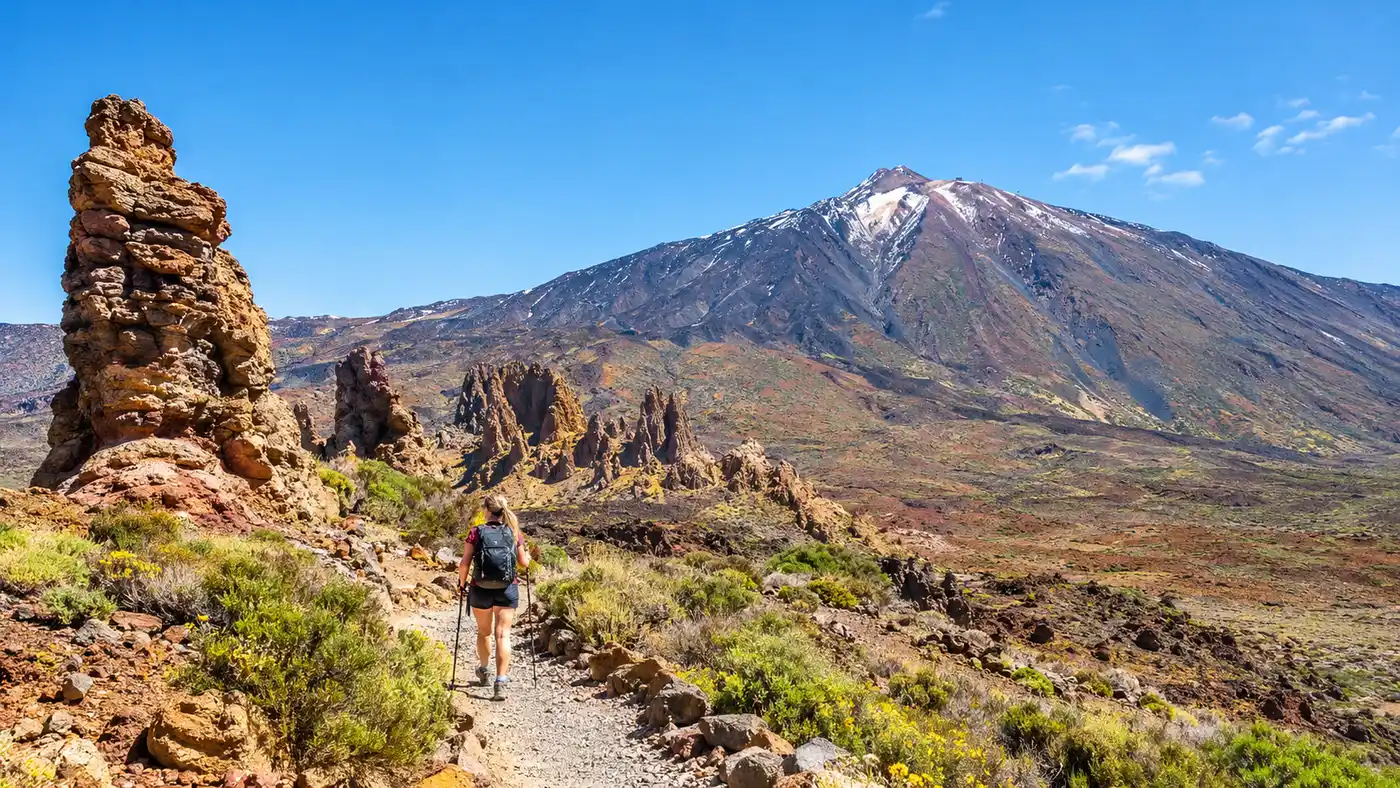
Hiking Mount Teide: Best Trails and Walking Routes
Discover the best routes for hiking Teide National Park. From Montaña Blanca summit trails to easy caldera loops, find …
Continue Reading →
Everything you need to explore Mount Teide, from high-altitude trails and cable car permits to stargazing above the Atlantic clouds.
Discover what makes teide national park unforgettable.
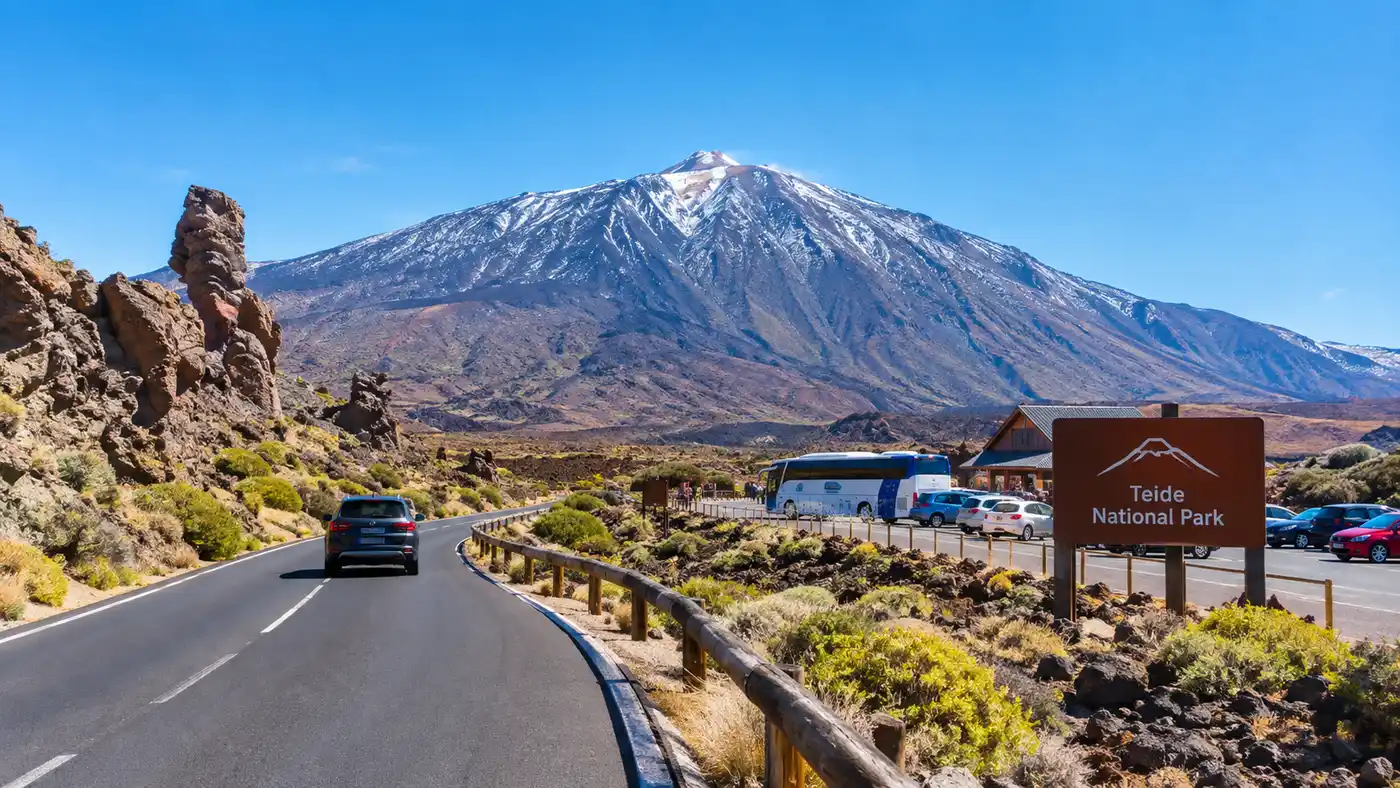
Over 30 marked trails crisscross the park basin. The loop around Roques de García takes under two hours and places you directly beneath the raw western face of the cone.
Learn more →
The park sits far above the coastal marine layer, cutting out cloud cover and light pollution. Guided stargazing sessions showcase planetary rings and the Milky Way with clarity.
Learn more →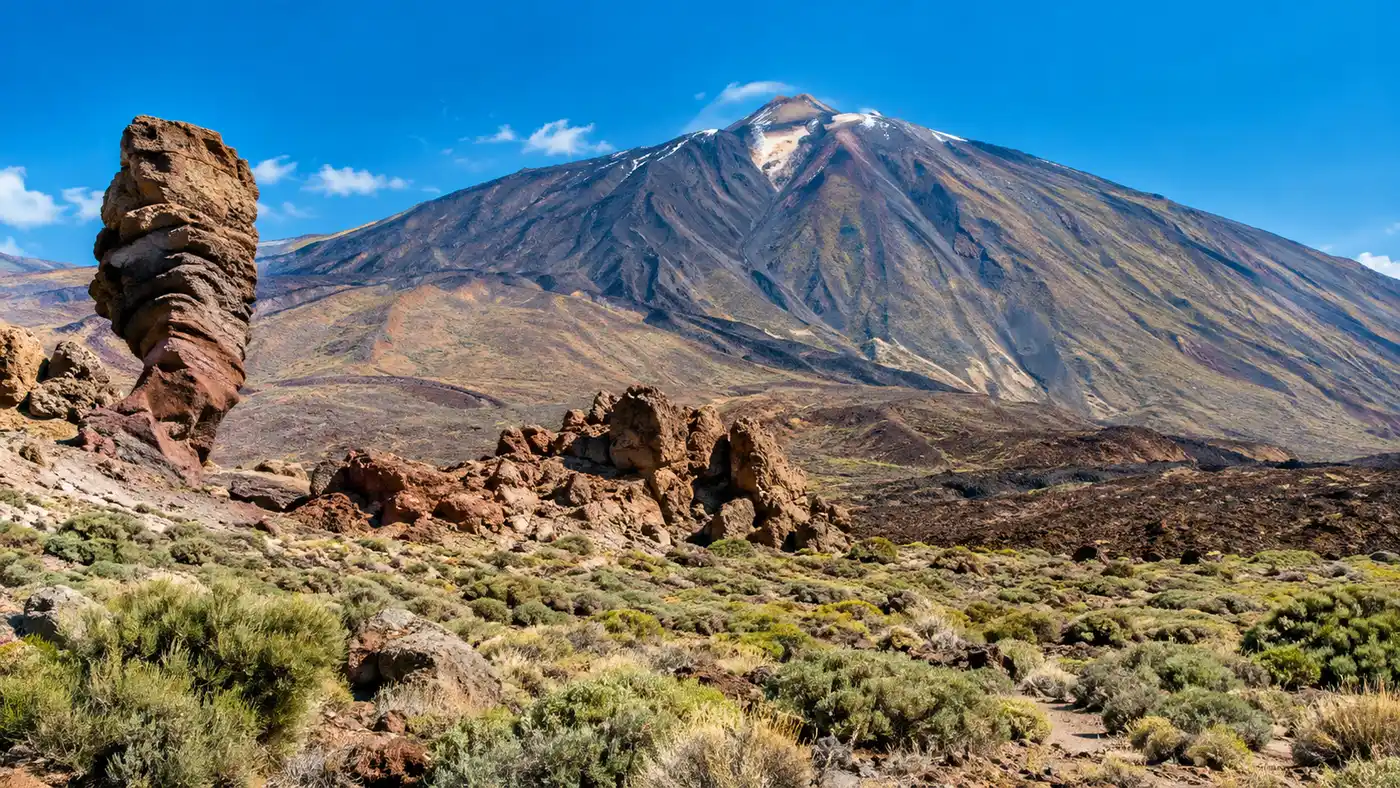
Black obsidian flows from 1798 sit alongside ancient caldera ridges formed hundreds of thousands of years ago. The geological variety provides a visible timeline of the island.
Learn more →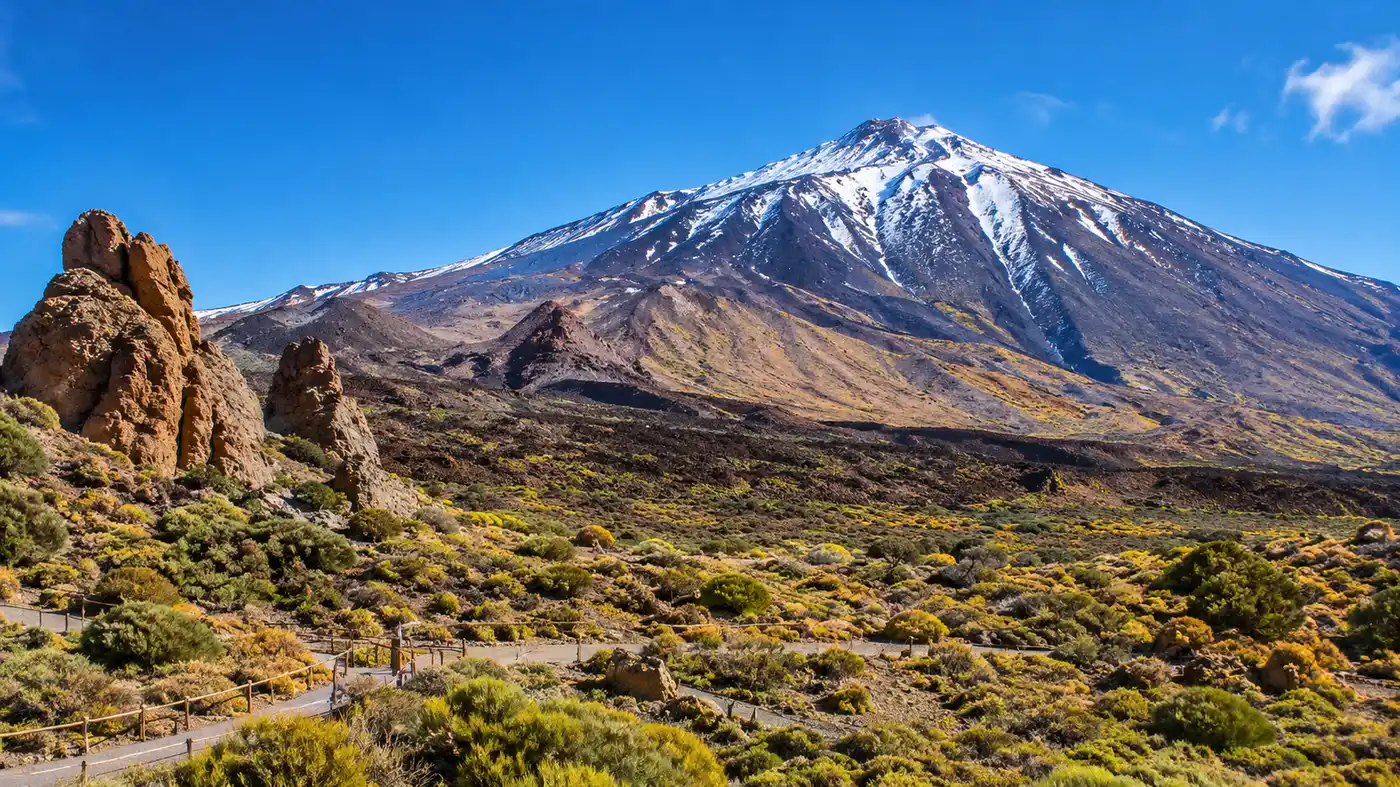
Temperatures often plunge from 25 degrees at the beach to near zero at the upper cable car station. Clear mountain weather shifts quickly, making early starts essential.
Learn more →What to expect from arrival to departure.
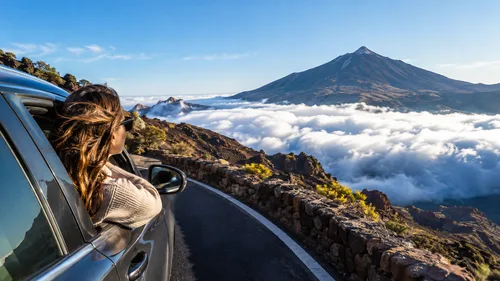
Climb through the humid laurel and pine forests until you punch out above the sea of clouds into stark sunshine.
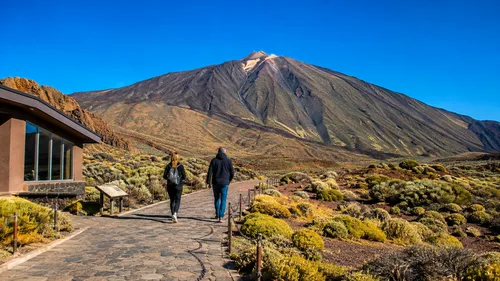
Browse exhibits detailing the volcanic collapse and grab trail maps next to Parador de Las Cañadas.
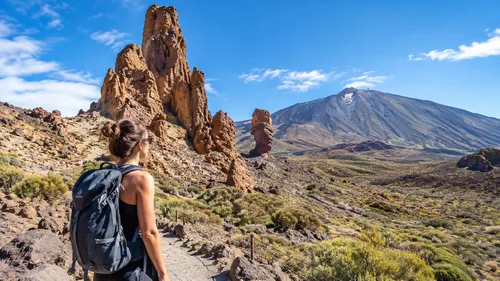
Take the 3.6-kilometer rocky circuit to see the famous Roque Cinchado rock tower and open plains.
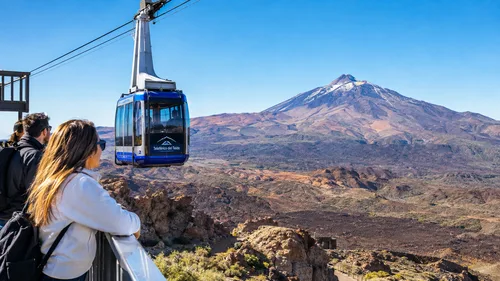
Board the cable car to rise 1,199 meters in eight minutes, arriving at the 3,555-meter upper platform.
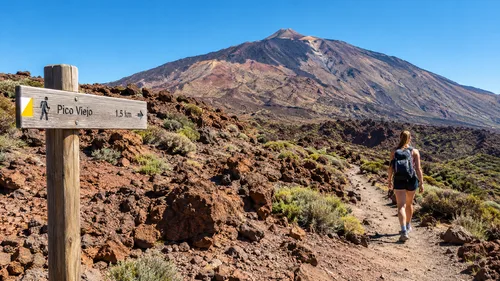
Follow the paved volcanic path west to peer into the massive crater of Pico Viejo and spot La Gomera.
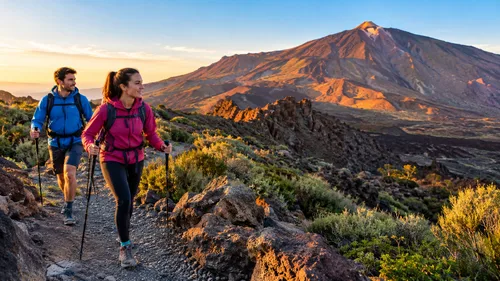
Head down via the winding mountain roads before sunset, watching the giant shadow of Teide stretch across the Atlantic.
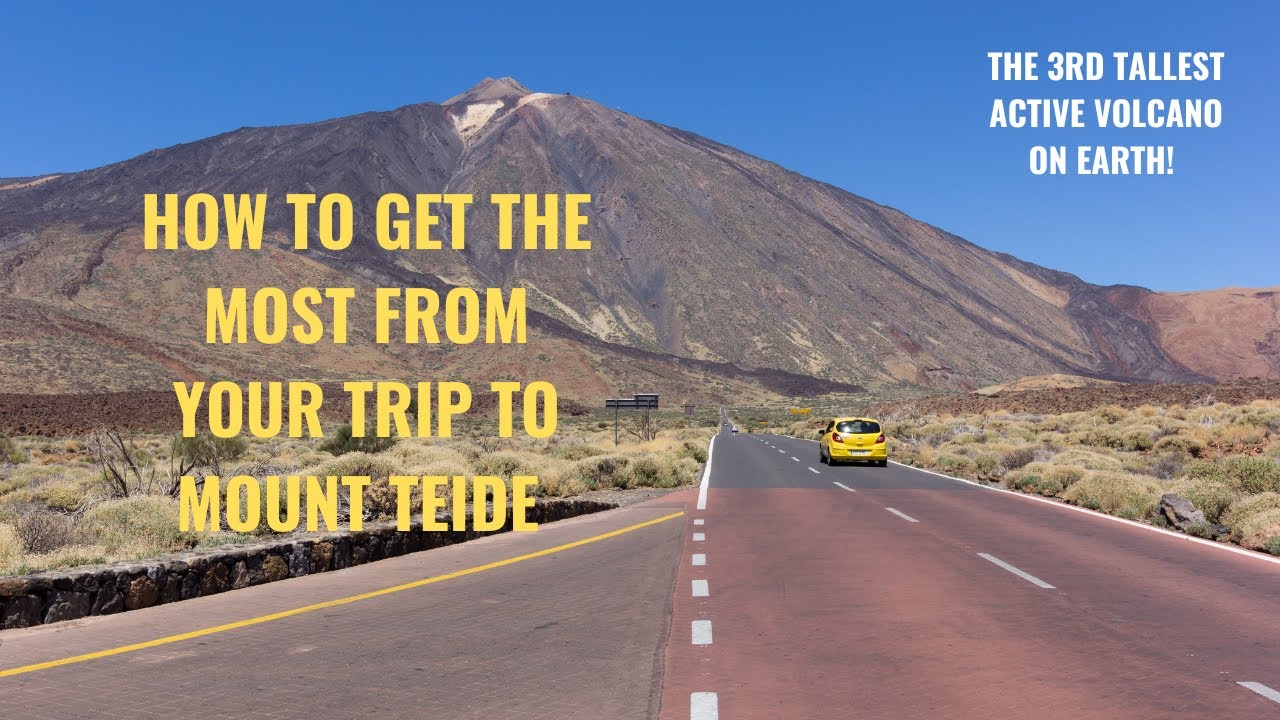
Driving up through the pine belt of Corona Forestal brings you out onto a massive volcanic caldera floor. Mount Teide rises abruptly from the center, casting a triangular shadow across western Tenerife and out onto the ocean. The landscape looks closer to the lunar surface than standard Spain, with jagged volcanic dikes, twisted basalt boulders, and scorched fields of yellow sulphur.
Parque Nacional del Teide holds the title of the highest mountain in Spain, yet the surrounding plateau at 2,000 meters altitude offers just as much drama. The dry air smells of warm pine resin and mineral dust. Winter brings snowbanks to the upper scree slopes, while summer daytime temperatures bake the dark phonolite rocks under direct sun.
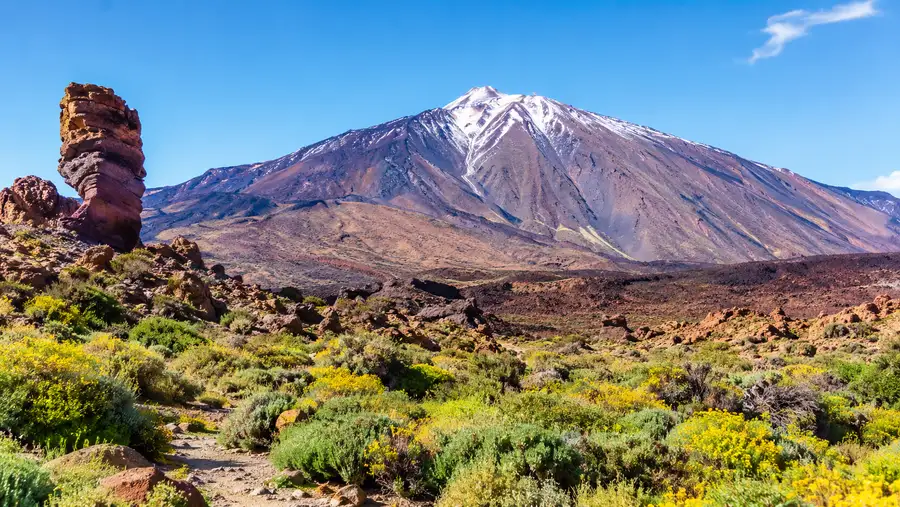
The contrast between the sunny beach in Adeje and the freezing wind at 3,500 meters was wild. Book your cable car slot well ahead of time.
Driving through the cloud layer via the La Orotava road was magical. The rock formations along trail 3 made us feel like we were on another planet.
Parking near the Roques de García was chaotic by 11:30 AM. Come early or you will spend half an hour circling for a spot on the shoulder.
The silence in the Llano de Ucanca basin is incredible. Stargazing at night here showed the Milky Way clearer than anywhere else I have ever traveled.
Compare options and book directly below.
Round-trip ticket on the Teleférico from the base station up to La Rambleta at 3,555 meters, including access to two open walking paths.
Round-trip cable car ride paired with a downloadable narration guide explaining volcanic formations, flora, and history along the trails.
Special late-afternoon ascent after normal operating hours to witness the shadow of Teide and sunset over the neighboring islands.
Everything you need to know before visiting teide national park.
Hours: The national park grounds and roads are open 24 hours a day, year-round. Visitor centres (El Portillo and Cañada Blanca) typically operate daily from 9:00 AM to 4:00 PM. The Teide Cable Car operates daily from 9:00 AM to 4:00 PM (weather permitting).
| Standard Cable Car Return (Online advance booking required) | €41 |
| Cable Car with Audio Guide (Smartphone app download) | €45 |
| Sunset Cable Car Ascent (Limited evening slots) | €64 |
📍 TF-21, 38300 La Orotava, Santa Cruz de Tenerife, Canary Islands, Spain
See it before you go.
Worth combining with your teide national park visit.
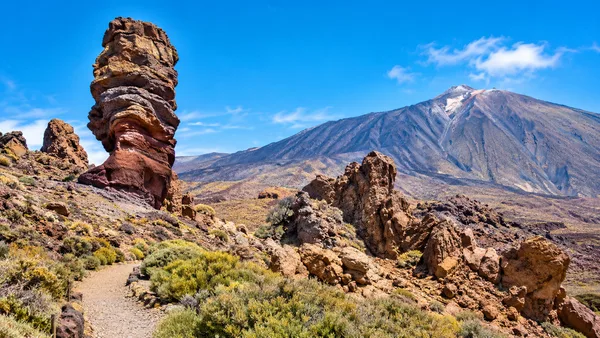
Weathered volcanic pillars standing directly across from the park hotel, featuring the iconic finger-like Roque Cinchado.
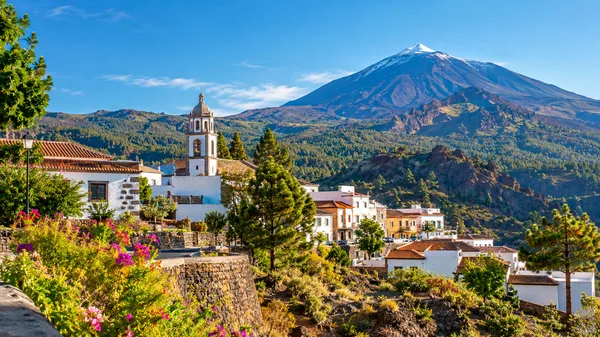
The highest mountain village in Tenerife, filled with cobblestone corners, stone houses, and bakeries selling almond cookies.
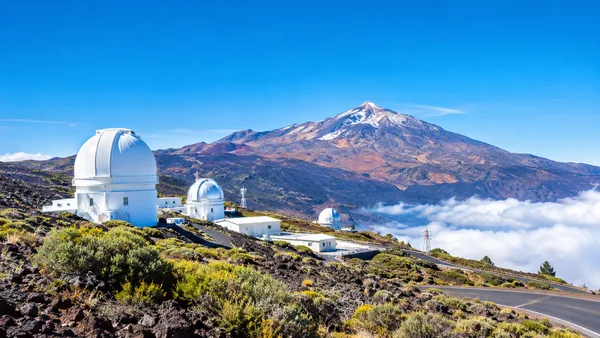
One of the premier solar research facilities in the world, recognizable by its cluster of white telescope domes.
Teide National Park welcomes all visitors with accessibility features and family-friendly amenities.
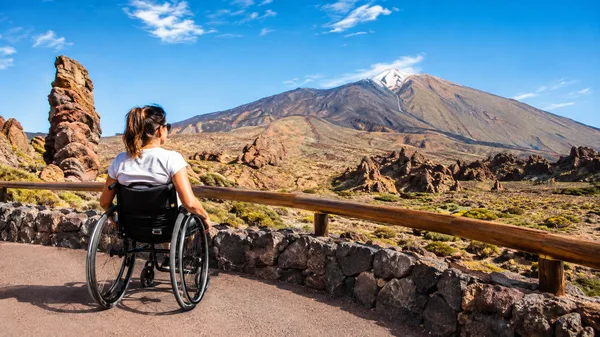
The visitor centres (El Portillo and Cañada Blanca) and designated viewpoints (such as Mirador de La Ruleta) feature reserved accessible parking, ramps, and adapted restrooms. The cable car base station has wheelchair access, but boarding the cable car is prohibited for wheelchair users and individuals with reduced mobility due to emergency evacuation safety protocols. Most outdoor volcanic hiking trails are rocky, uneven, and not wheelchair accessible.
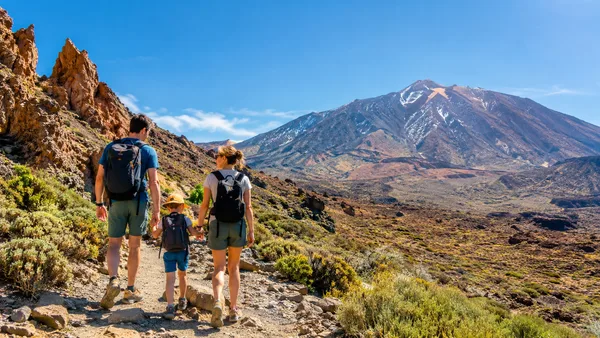
The park is family-friendly, offering educational exhibits at visitor centres and accessible botanical gardens. Strollers can be used on paved pathways around the visitor centres and viewing platforms, but are not suitable for the rugged volcanic hiking trails. Caution is advised for babies and toddlers under 2–3 years old regarding altitude sickness, and the cable car is not recommended for infants.
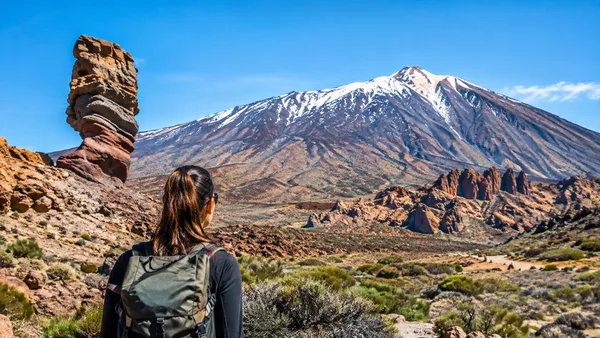
Audio guides are available at the cable car terminal in English, Spanish, German, French, and Russian.
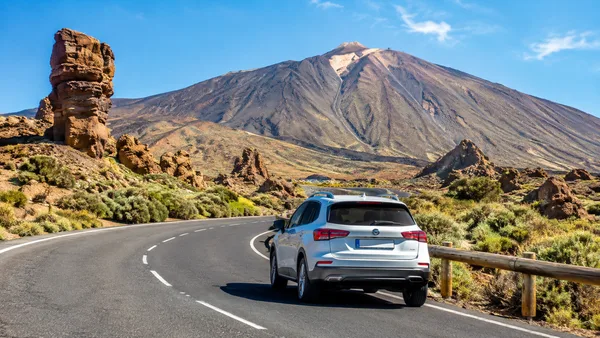
The park spans a vast caldera reachable by car via mountain roads (TF-21, TF-24, TF-38) or TITSA public bus routes 342 and 348. Paved parking lots are available at major attractions and viewpoints. Natural trails consist of volcanic gravel, rocks, and steep inclines with no elevators or mechanical lifts outside the cable car facilities.
Dive deeper into teide national park.
Discover the best routes for hiking Teide National Park. From Montaña Blanca summit trails to easy caldera loops, find …
Continue Reading →
Wondering how to get to Teide National Park? Compare driving routes, bus schedules from Costa Adeje and Puerto de la …
Continue Reading →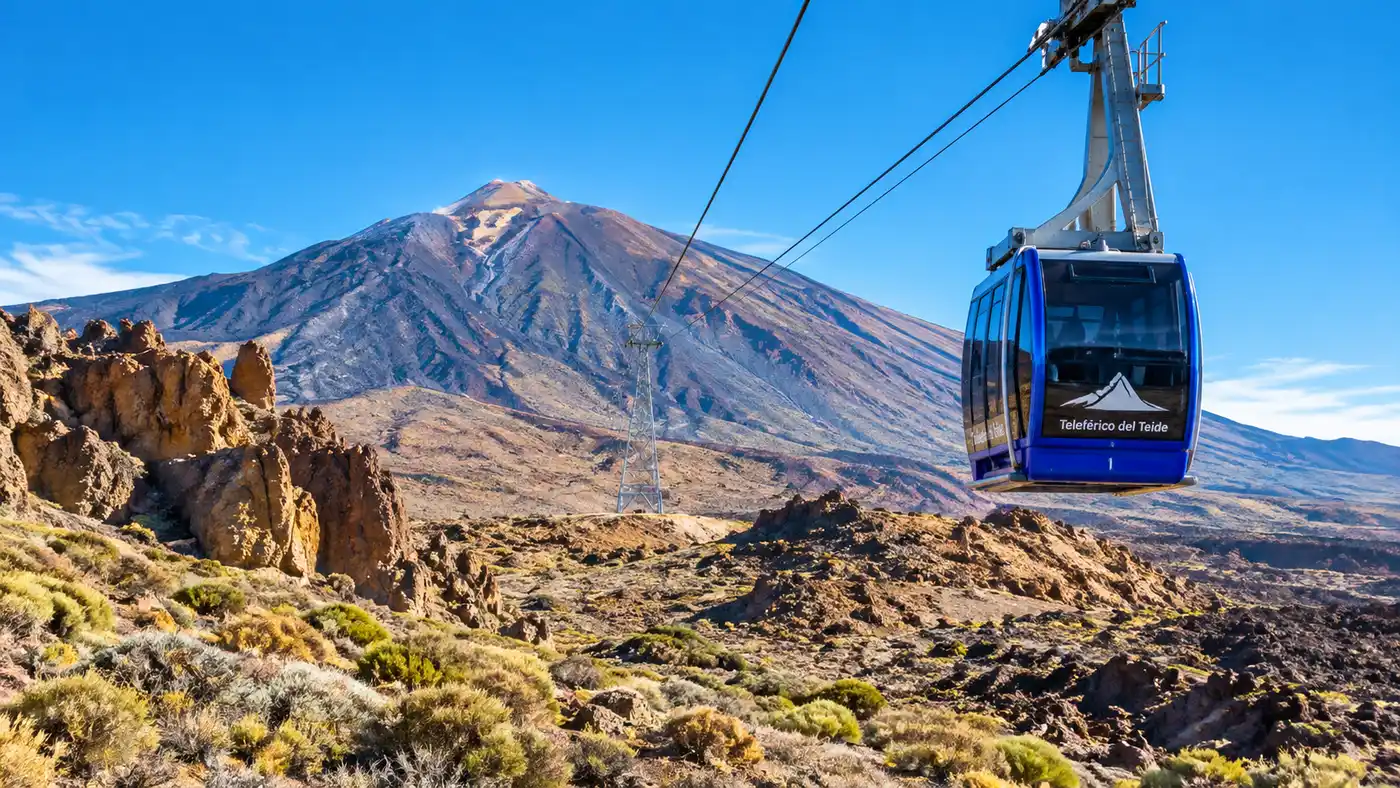
Complete guide to the Mount Teide cable car in Tenerife. Learn ticket prices, booking tips, trail options from the top …
Continue Reading →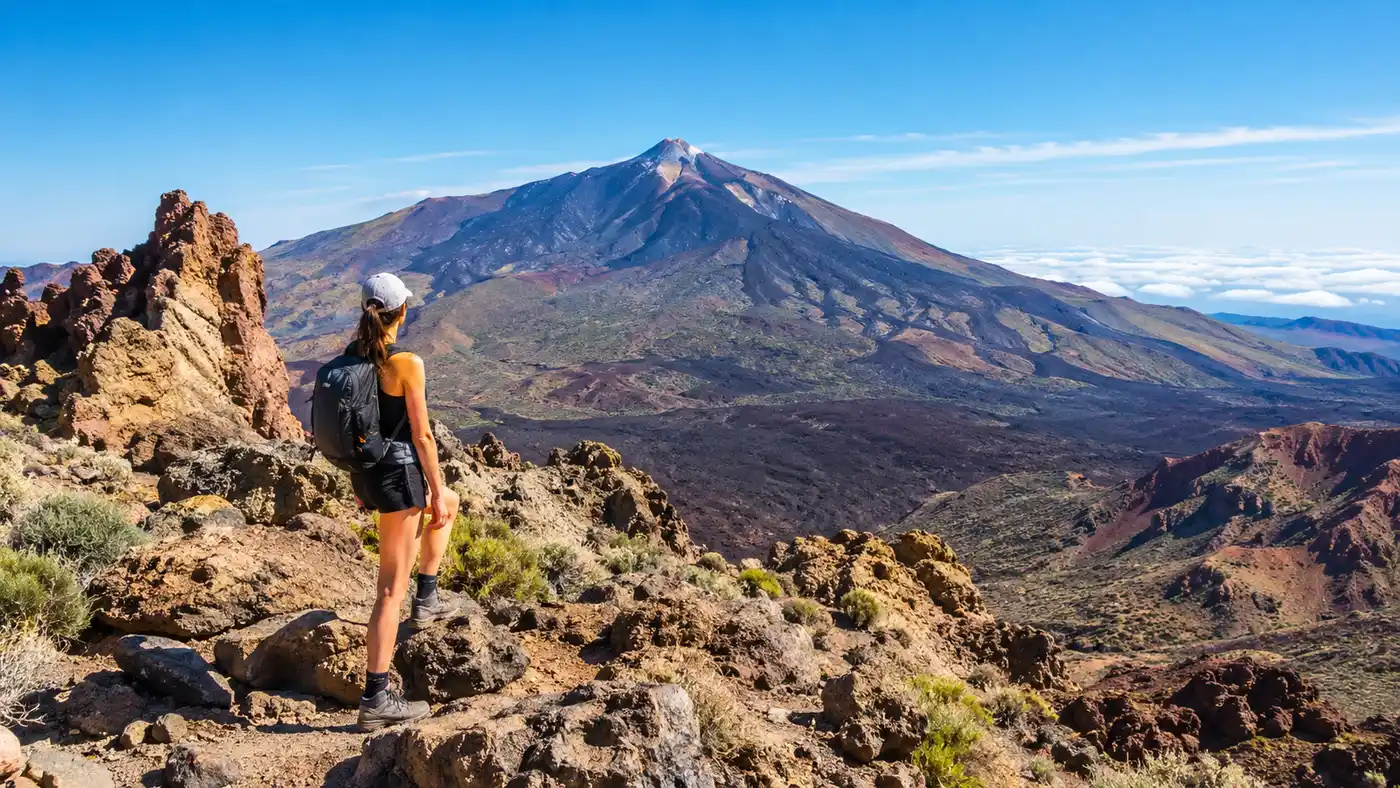
Everything you need to know about getting your free Mount Teide permit: booking calendar, time slots, checkpoint rules, …
Continue Reading →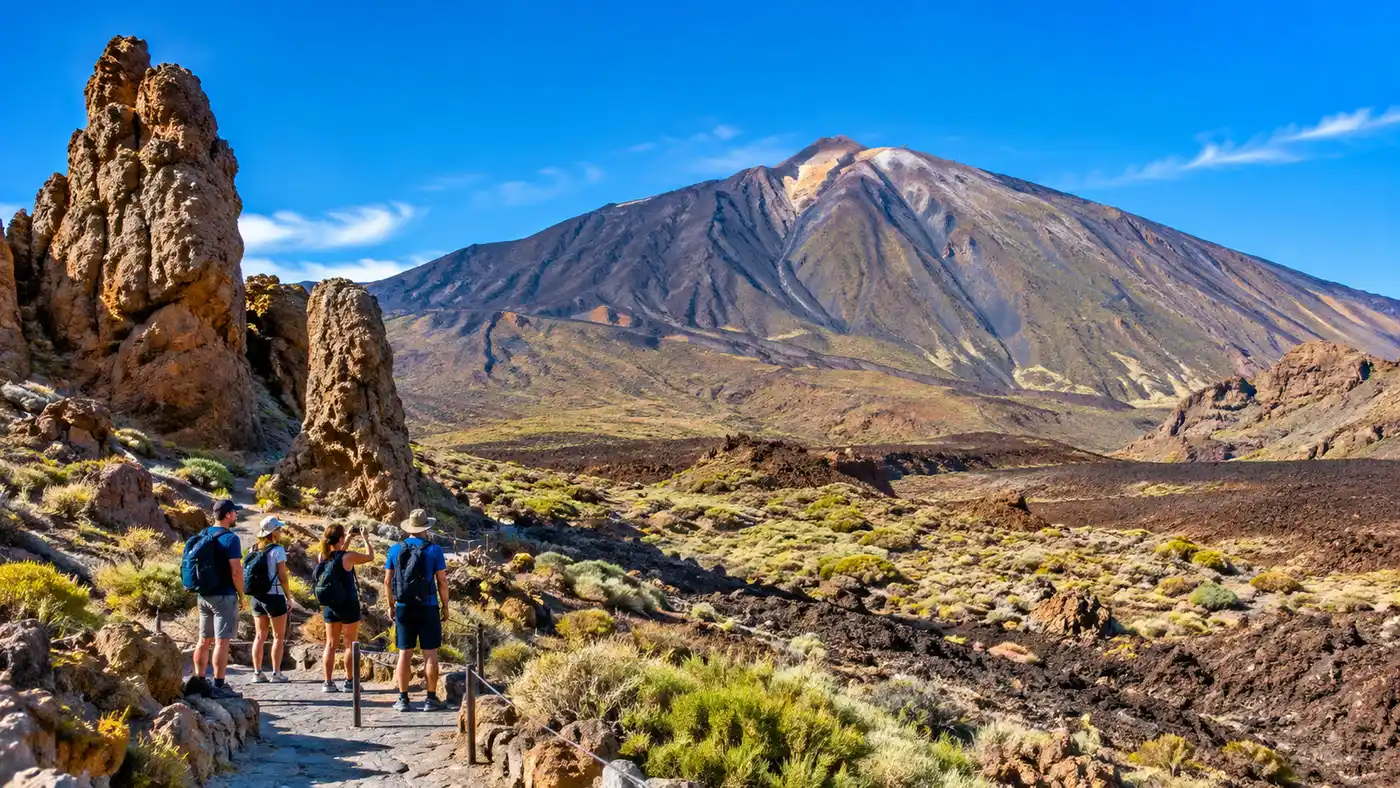
Discover the best Mount Teide tours and excursions in Tenerife. Compare cable car trips, buggy runs, and stargazing …
Continue Reading →
Discover Mount Teide volcano: official height, fascinating caldera geology, and historic eruptions. Plan your visit to …
Continue Reading →
Check current Teide National Park weather, live webcams, and snow forecasts. Get seasonal temperatures, road closure …
Continue Reading →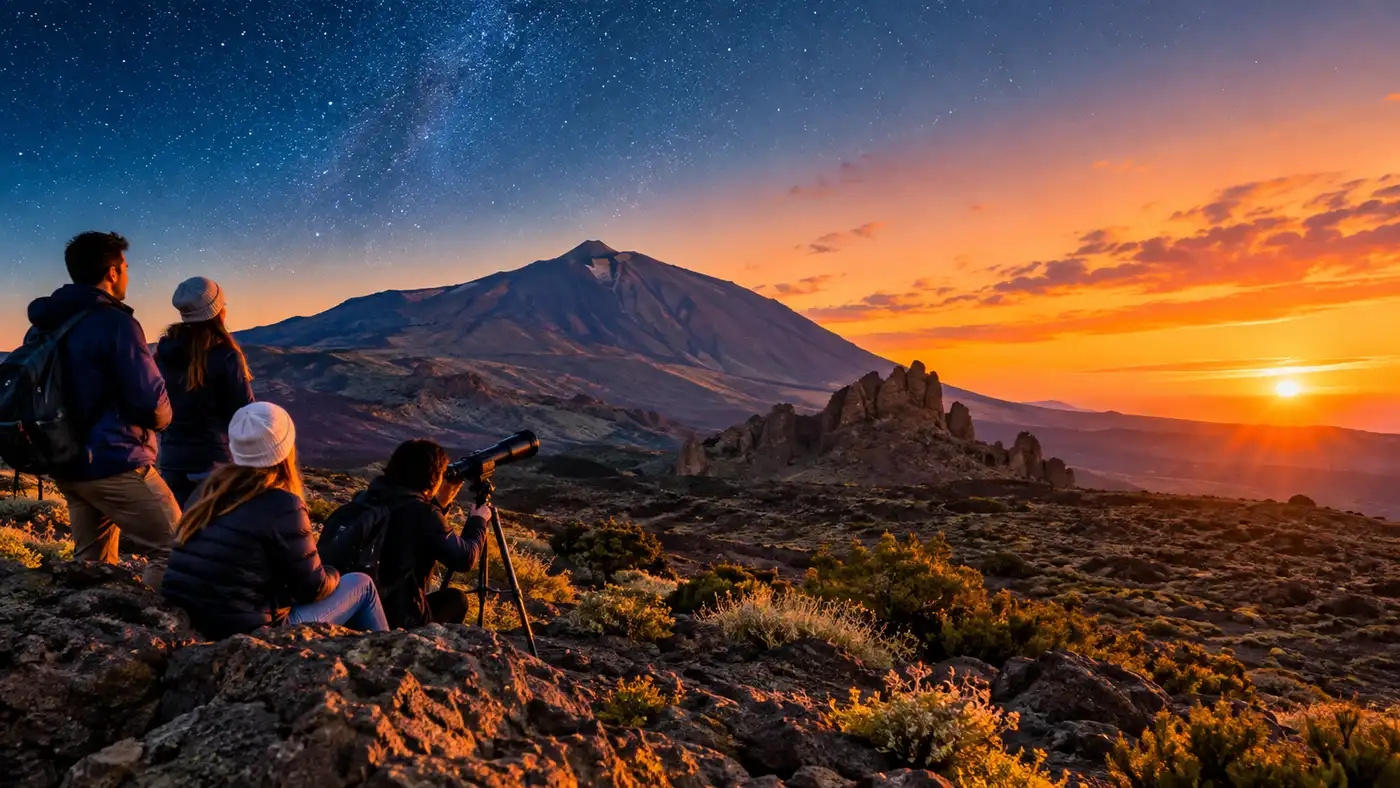
Experience Teide National Park stargazing and sunset views above the clouds. Practical guide to viewpoints, night tours, …
Continue Reading →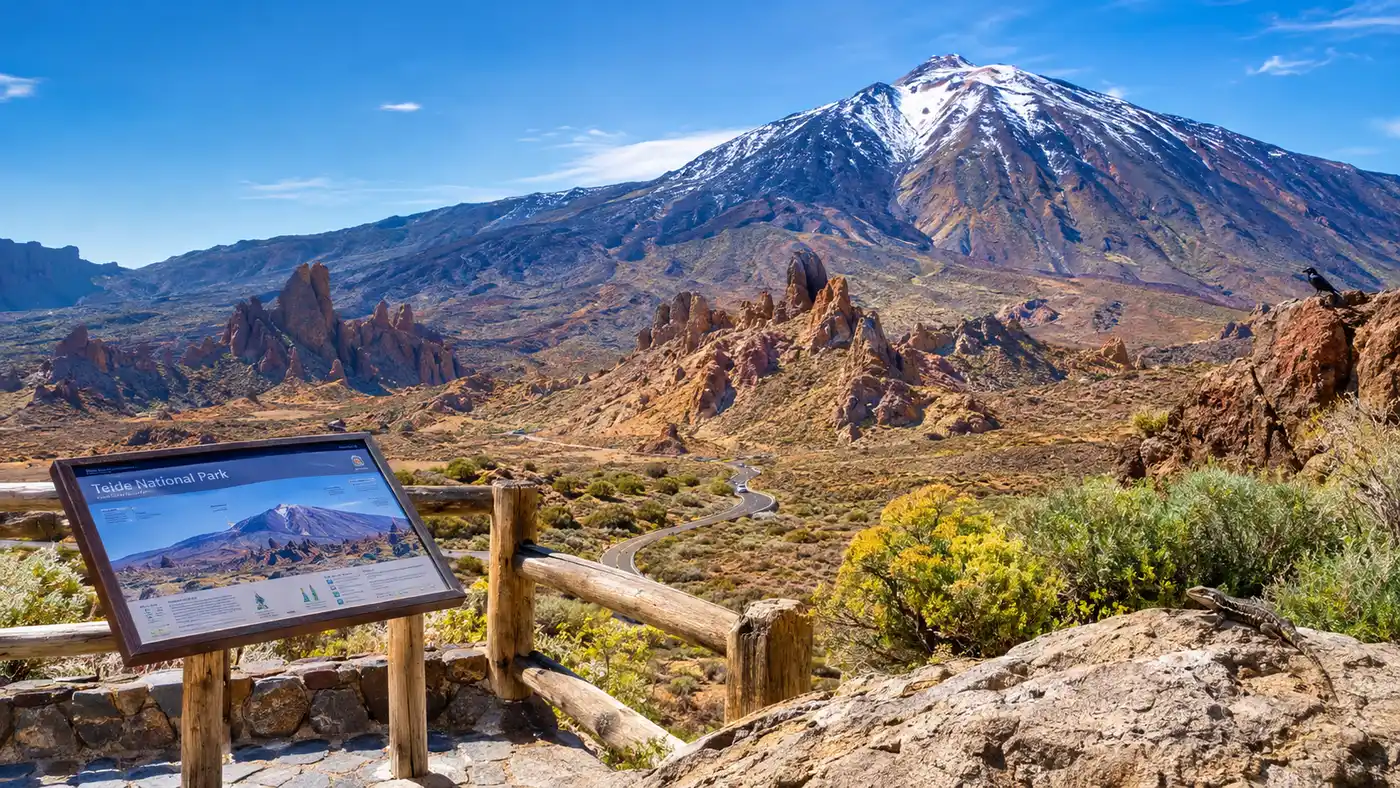
Discover top Teide National Park viewpoints, spot rare endemic wildlife, and navigate new eco-tax rules and visitor …
Continue Reading →Common questions about teide national park.
Mount Teide sits in the exact geographic center of Tenerife, the largest of the Canary Islands in Spain. The mountain is encircled by the high caldera walls of Parque Nacional del Teide.
From southern resorts like Los Cristianos or Adeje, head north on the TF-38 or TF-21. The drive climbs straight through Arona and Vilaflor, reaching the caldera rim in roughly 45 minutes.
The true summit, known as Telesforo Bravo trail 10, is managed by the national park service. You must secure an official free permit online months beforehand to climb the final 160 vertical meters above the cable car terminal.
Entering the national park itself is completely free with no toll booths or gates. You only pay if you book the Teleférico cable car, hire an astronomy guide, or sign up for a guided hiking service.
No, Mount Teide did not erupt in 2012. Rumors spread online due to routine seismic monitoring and minor swarm readings. The last eruption on the Teide volcanic complex occurred in 1798 at Narices del Teide, and Tenerife's last volcanic eruption was Chinyero in 1909.
Other Tenerife mountains like the Anaga and Teno massifs offer lush subtropical laurel forests and razor-edge ocean ridges. Mount Teide is dry, barren, and alpine, where intense ultraviolet sun and thin air replace damp coastal greenery.
Allow at least four hours if you plan to drive the caldera road and take a couple of short walks. If you have cable car reservations or want to hike the complete Roques loop, set aside six to seven hours including drive times.
The base caldera sits at 2,000 meters, which rarely causes issues. The upper station at 3,555 meters can cause mild dizziness, shortness of breath, and headaches. People with cardiovascular conditions, pregnant travelers, and infants under two are advised to stay on the caldera floor.
Check live cable car schedules, read up on weather conditions, and reserve your summit permits before dates sell out.